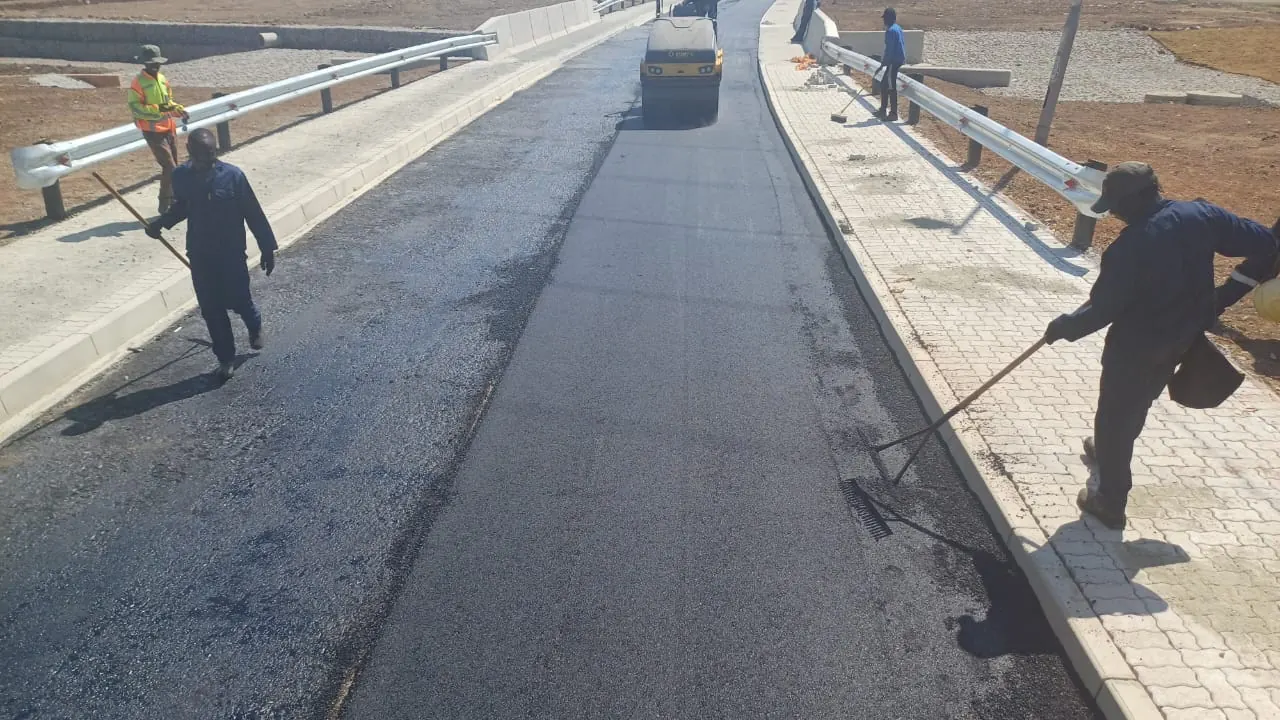
Slurry Sealing
Surface preservation for ageing asphalt

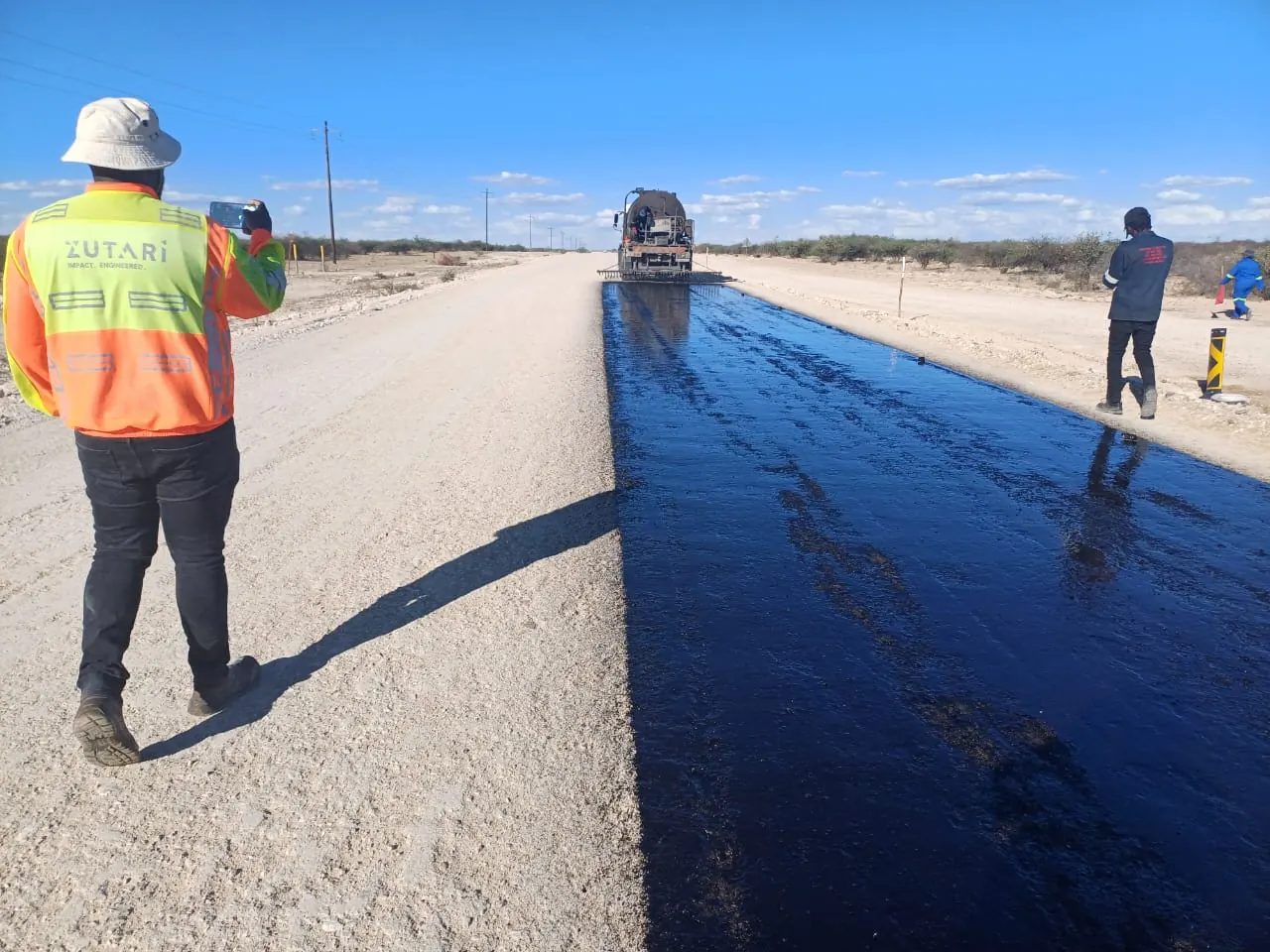
We tar and resurface roads for estates, business parks, industrial yards, farms and private access routes — from the layer works underneath to the final rolled asphalt surface.
An asphalt road only performs as well as what it sits on. Before any hot-mix goes down we look at the existing ground, the traffic the road will carry and how water will leave the surface. On new roads that means preparing and compacting the subgrade, building up the subbase and base layers, and sealing the base with a prime coat so the asphalt bonds and the layers below stay dry.
On existing roads the question is whether the structure is still sound. Where the base is in good condition, a tack coat and a new asphalt overlay restores the riding surface and seals out water. Where the road has failed — deep potholes, crocodile cracking, pumping at the edges — patching the top will not last, and we will tell you so and price the repair of the layers underneath.
We inspect the site, check levels and drainage, and discuss the traffic the road will carry.
Subgrade preparation, imported subbase and base material, each layer compacted before the next.
A bitumen prime on new base, or a tack coat on existing asphalt, so the surfacing bonds.
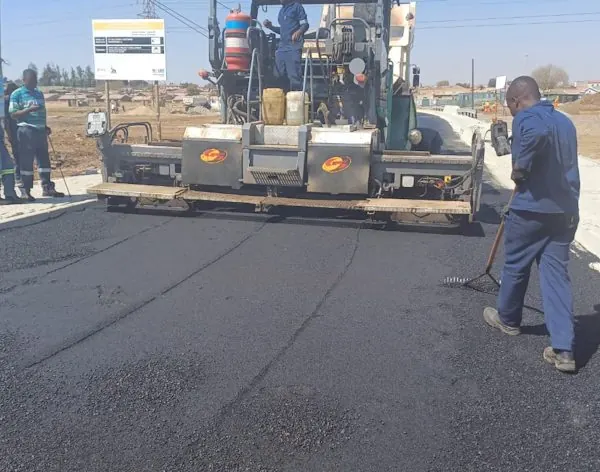
Hot-mix asphalt laid to level with falls for drainage, then rolled while it is still at working temperature.
Edges trimmed, joints sealed and the site cleaned. Line marking can be added on request.
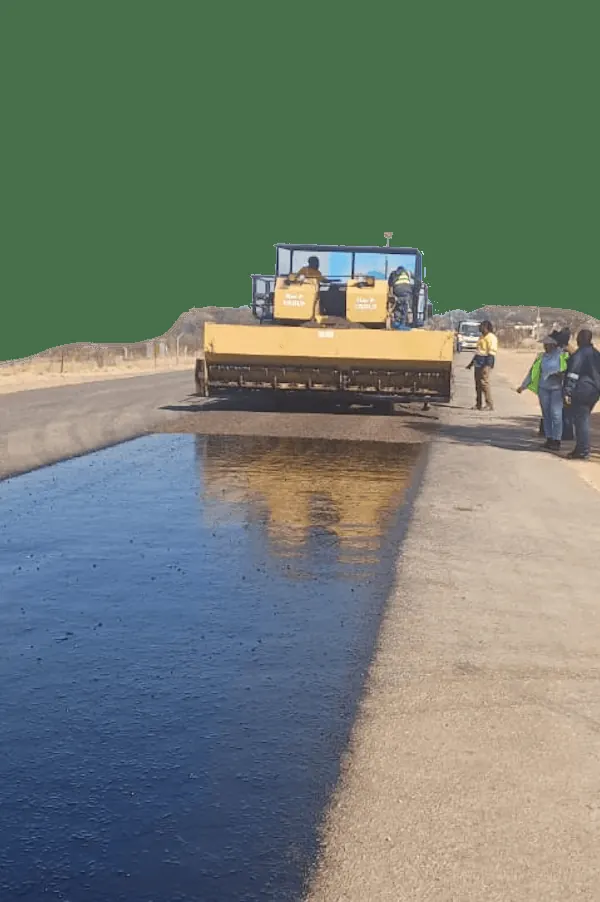
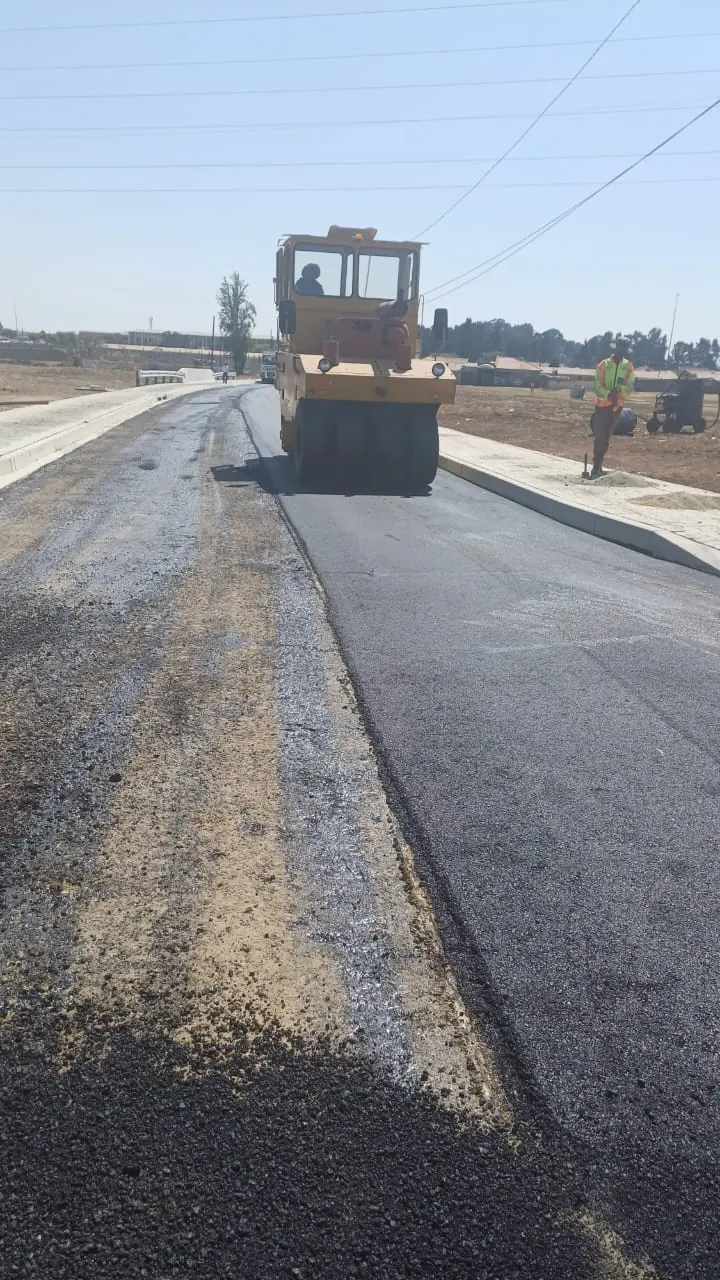
Based in Newlands, Durban, we quote for tar surfacing & road asphalting across KwaZulu-Natal. Areas where this is a common request:
In South Africa the words are used interchangeably. What is laid on a modern road or driveway is asphalt: graded stone bound with bitumen. 'Tar', 'tarring' and 'tarmac' are everyday names for the same kind of surface, so whichever word you use, we know what you mean.
Yes. We cut out the failed area square, repair the base where needed, tack-coat the edges and fill with hot asphalt so the patch bonds and sheds water. Where potholes are widespread we will also price a resurfacing option so you can compare.
It depends on the traffic. Light estate and access roads commonly use 25–40 mm of asphalt over a well-compacted base, while roads carrying trucks need thicker asphalt and a stronger base. We size the layers to your use and will follow an engineer's specification where one exists.
Yes, if the existing road is structurally sound. We clean it, repair failed patches, apply a tack coat and overlay it. If the base has failed, an overlay will crack in the same places, so we will recommend repairing the layers first.
Usually the same day, once the asphalt has cooled. Avoid sharp turning of stationary wheels and parking heavy vehicles on the new surface for the first few hot days.
We quote on private, commercial and contract work. For work on public roads, the client or main contractor normally arranges the wayleave and traffic management approvals, and we work to the approved specification.
Surface preservation for ageing asphalt
Cost-effective seals for rural and farm roads
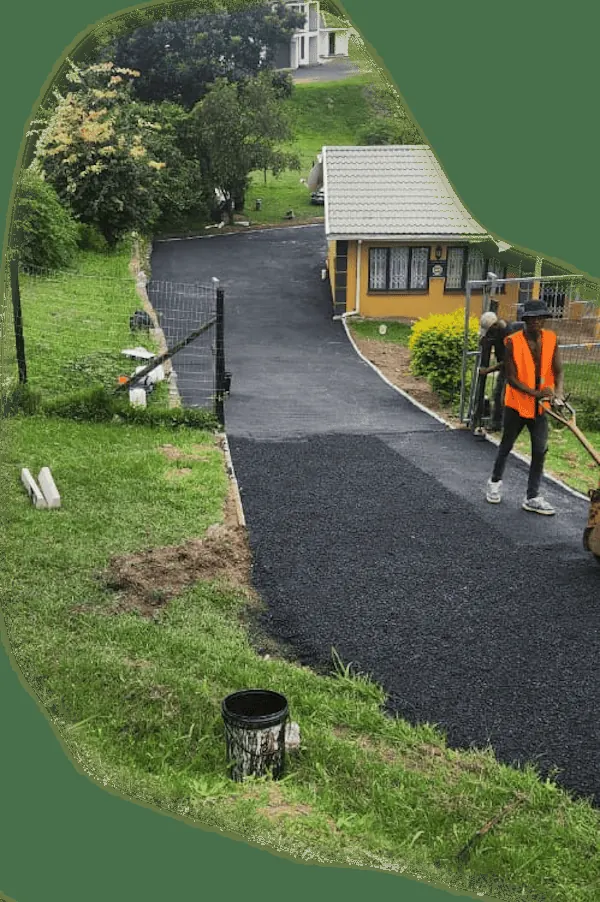
Tarring driveways, parking areas and resurfacing
Send us a WhatsApp with a few photos and the address, or call 062 758 1303. Quotes are free and without obligation.