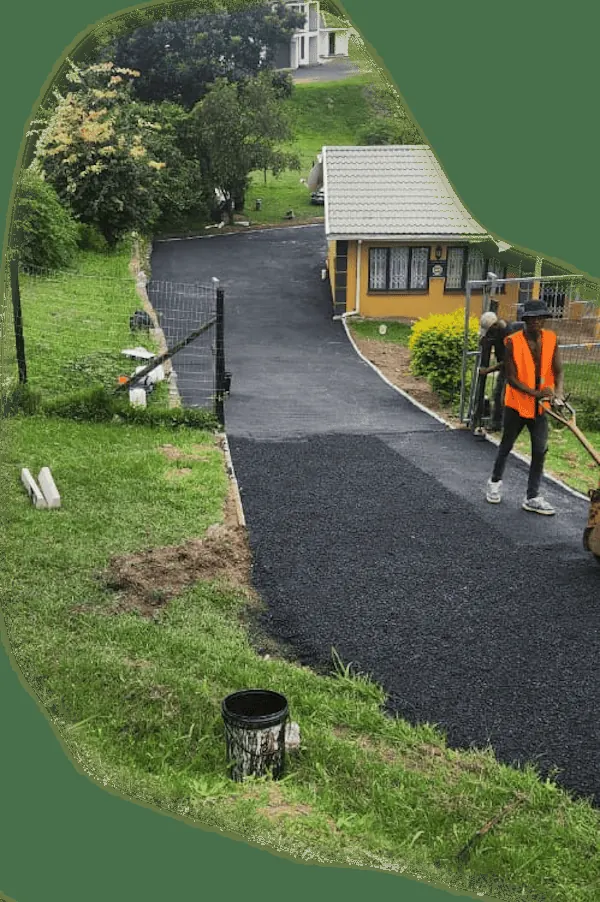
Tar Driveways
Tarring driveways, parking areas and resurfacing

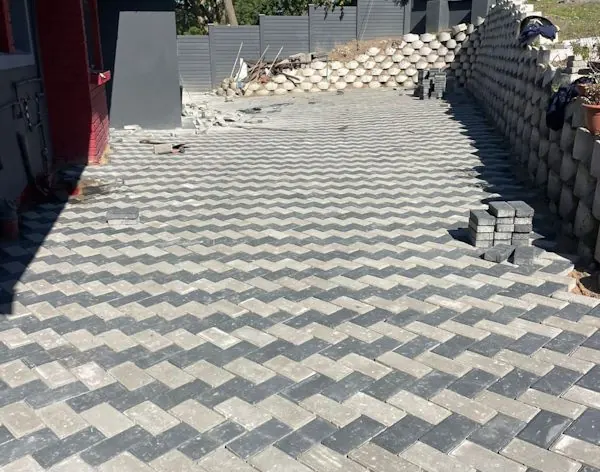
Interlocking brick paving gives driveways, complex roads and walkways a durable, attractive surface that can be lifted and relaid if services underneath ever need attention.
Paving that sinks or spreads almost always has a weak base or no edge restraint. We excavate, build and compact a proper base, screed an even bedding sand layer, and set kerbs or edging to lock the field of pavers in place. Joints are filled with sand and the surface is compacted so the pavers interlock and share the load.
For areas that carry cars, we lay pavers in a herringbone pattern, which resists the turning and braking forces that make other patterns creep. For patios, pool surrounds and walkways, stretcher bond and other patterns give a different look. We can advise on paver thickness and colour for the traffic and style of your property.
Levels and falls are set and the area is excavated to depth.
A compacted base layer is built to carry the expected traffic.
Kerbs or edging are set in concrete to hold the paving.
Bedding sand is screeded and pavers are laid to pattern.
Joints are filled with sand and the paving is compacted to lock it together.
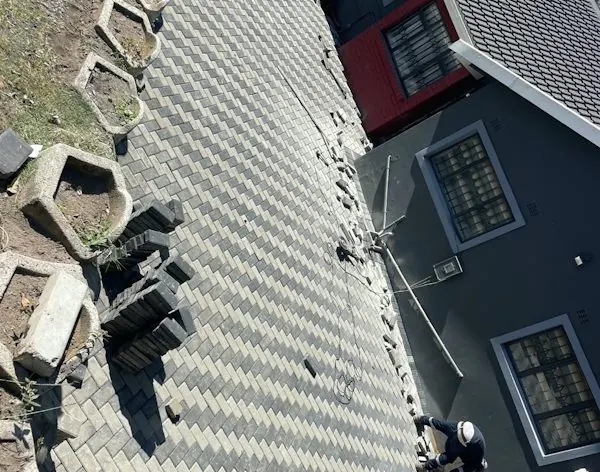
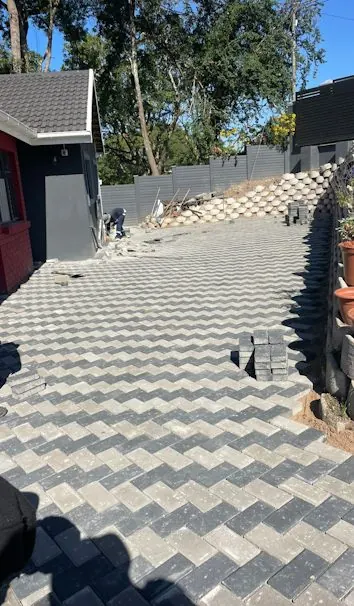
Based in Newlands, Durban, we quote for brick paving across KwaZulu-Natal. Areas where this is a common request:
Usually because of a poorly compacted base, water getting under the paving, or missing edge restraints. Re-laying on a corrected base solves the problem.
Herringbone, because the interlocking angle resists the turning and braking of cars better than straight patterns.
Residential driveways normally use 60 mm pavers. Areas with trucks or heavy vehicles call for thicker pavers and a stronger base.
We can source pavers to match where the product is still available. We will confirm colour and size before work starts.
Tarring driveways, parking areas and resurfacing
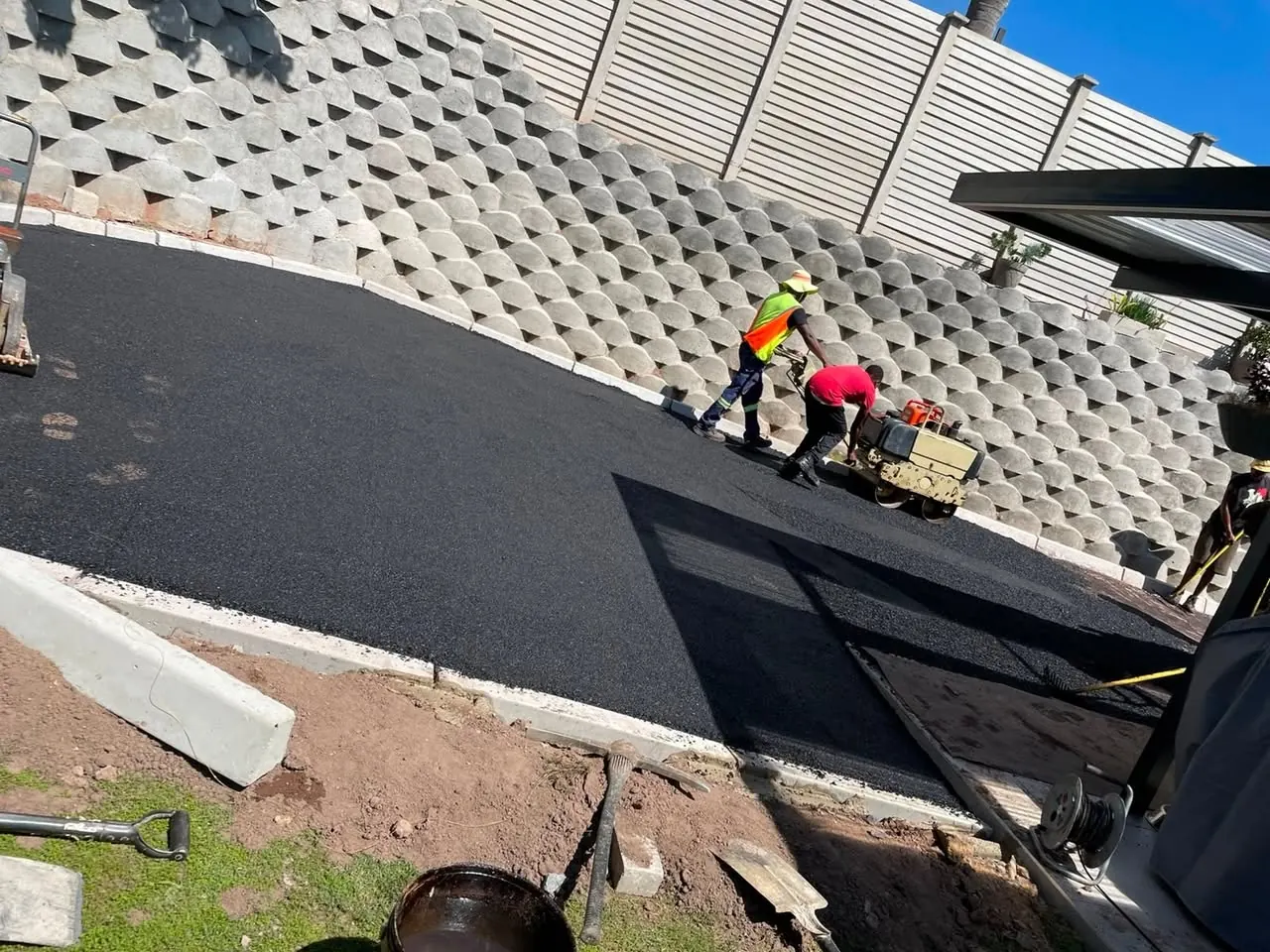
Block retaining walls for slopes and driveways
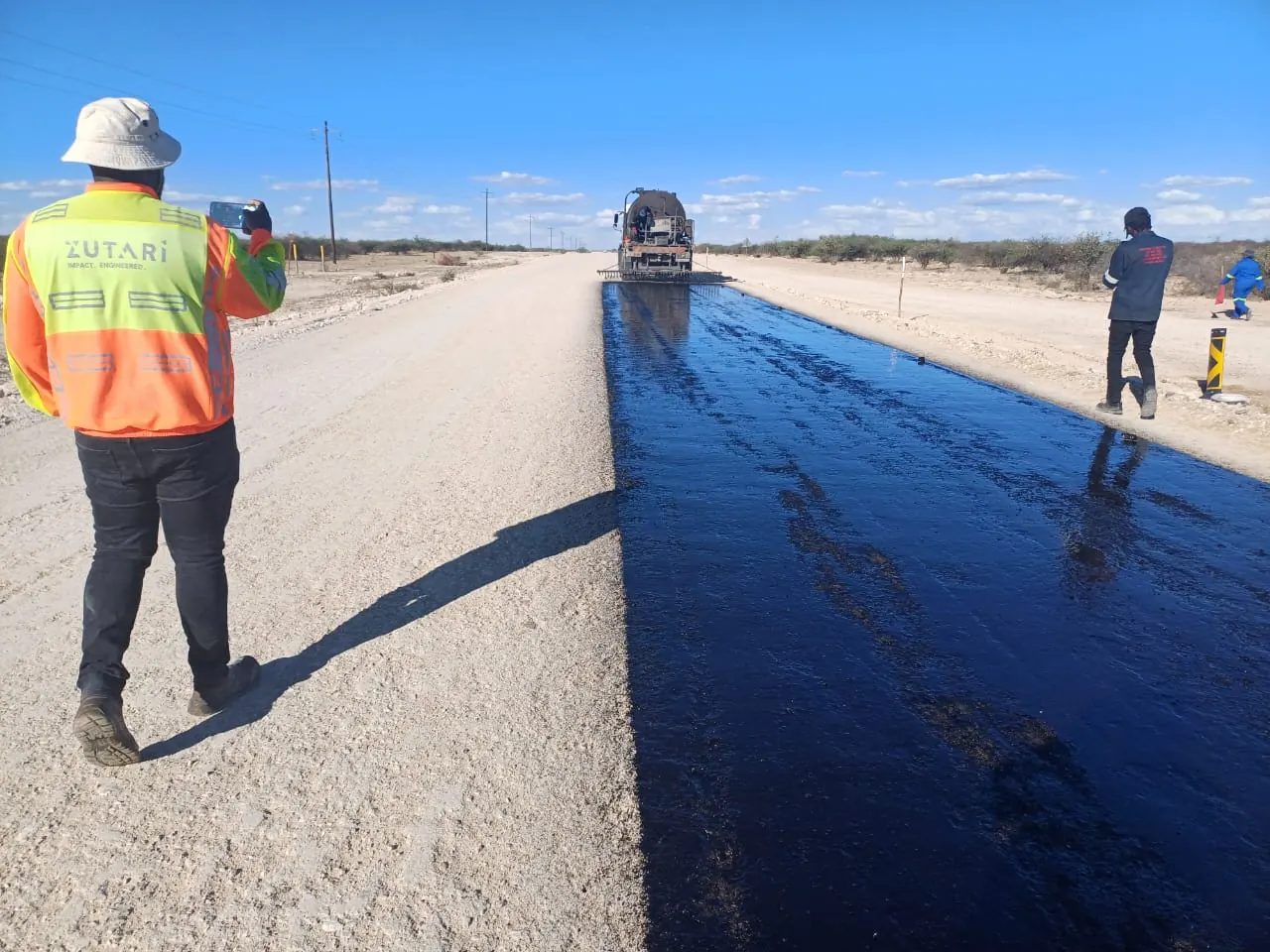
Tar roads, parking areas, potholes and resurfacing
Send us a WhatsApp with a few photos and the address, or call 062 758 1303. Quotes are free and without obligation.