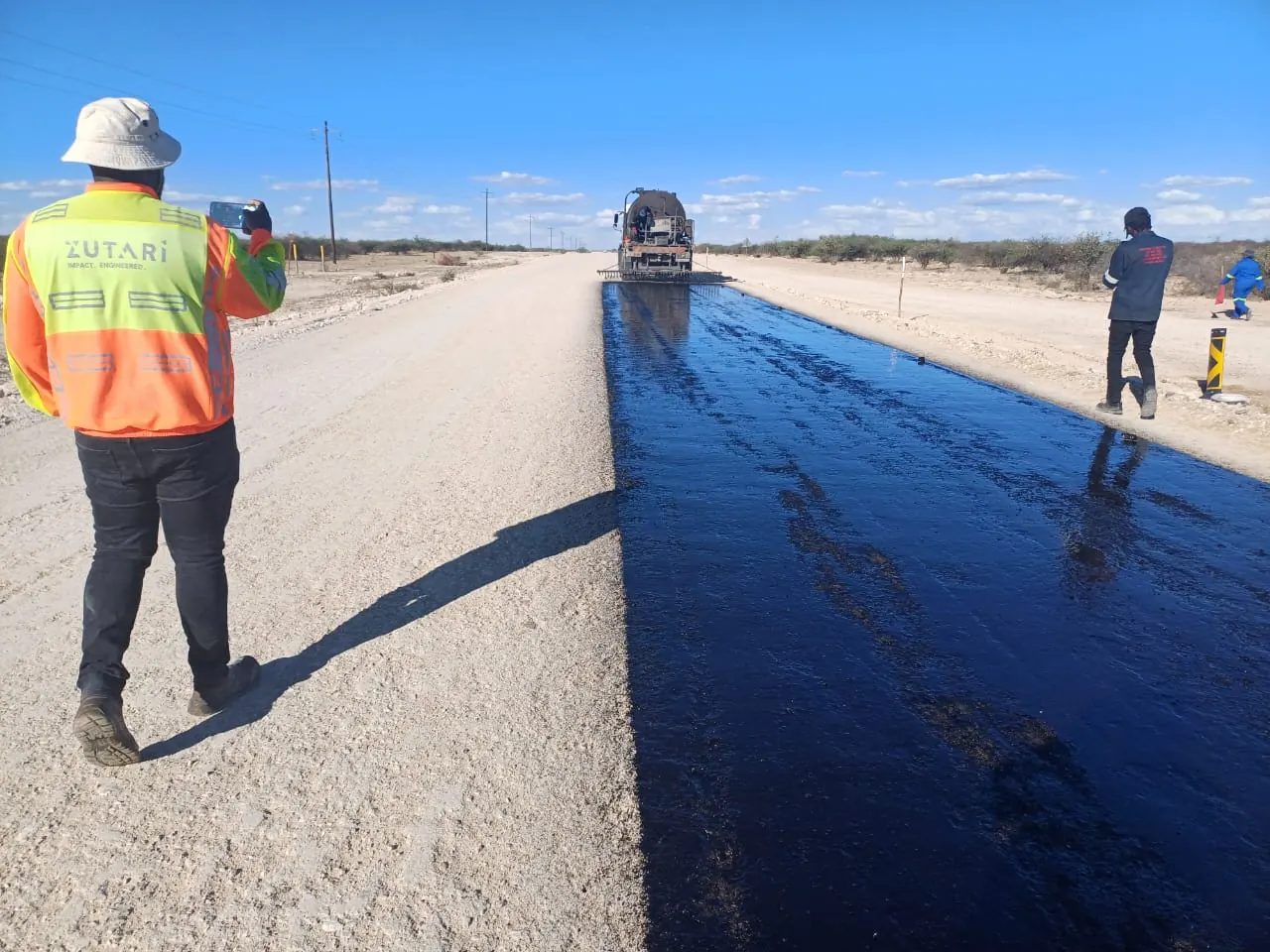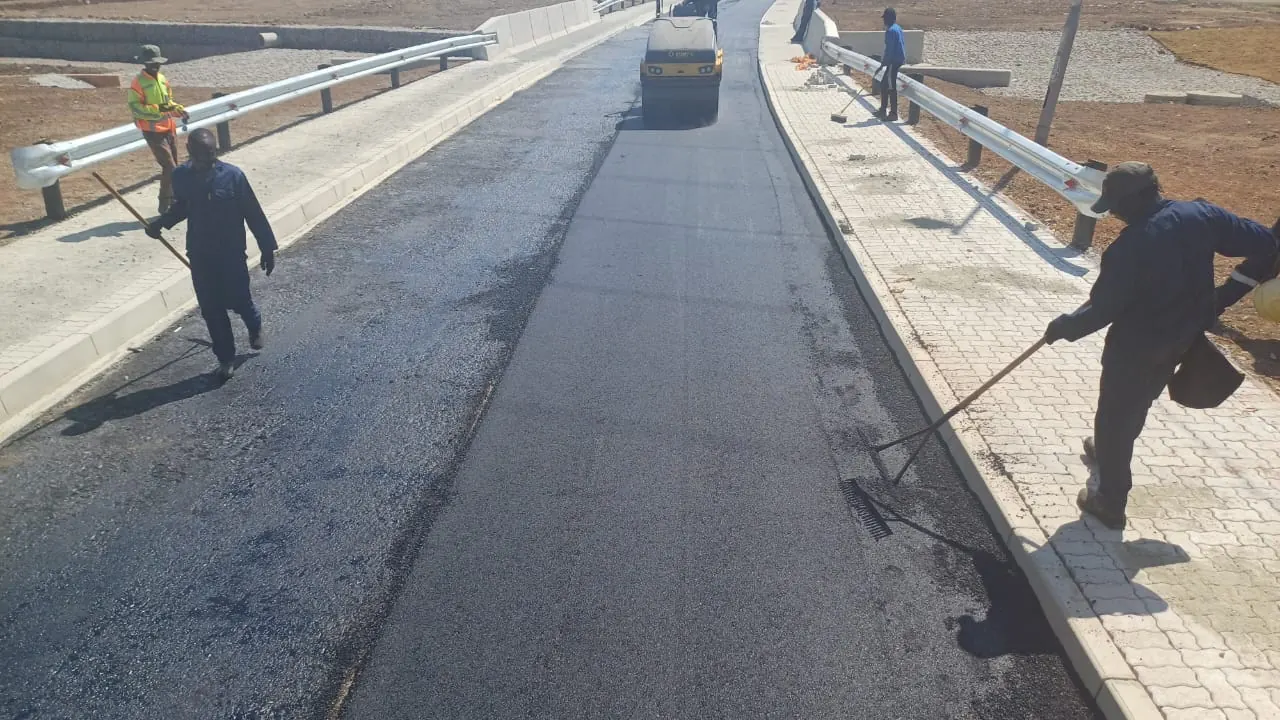
A slurry seal is a thin, cold-applied surface treatment that renews ageing asphalt. For estates, complexes and business parks it is one of the most cost-effective ways to protect a road network — as long as it is used at the right time.
What is in a slurry seal?
Slurry is a mix of fine, graded aggregate, bitumen emulsion, water and a small amount of filler such as cement. It is spread across the surface in a thin layer. As the water evaporates, the emulsion "breaks" and the bitumen binds the aggregate to the old surface, filling fine cracks and voids.
Signs your asphalt is ready for a slurry seal
- The surface has faded from black to grey.
- Small stones are loosening from the surface (ravelling).
- Fine, hairline cracks are appearing, but the road is not deforming.
- Water darkens the surface for a long time after rain, showing that it is soaking in.
When slurry is not enough
Slurry is not structural. It will not fix potholes, deep ruts, "crocodile" cracking or areas that move under traffic — those are signs the layers underneath have failed. Those areas must be cut out and repaired first, and if they are widespread, an asphalt overlay or reconstruction may be the better investment.
Timing matters
The best time to slurry seal is before the surface starts breaking up. Sealing a road while it is still sound keeps water out of the base and can add years to its life. Waiting until potholes appear usually means paying for repairs as well as the seal.
Slurry needs dry weather to cure, so in KwaZulu-Natal we plan work around the summer rainfall and keep a close eye on the forecast.
Planning for estates and HOAs
For trustees, a simple maintenance plan helps: inspect the roads each year, repair isolated failures early, and slurry seal sections in rotation rather than all at once. We can walk an estate's roads with you and price repairs and sealing in phases.